
LENS I · POWER & STATECRAFT
Introducing The Diplomatique™ Power Index
We begin with the 47th Administration. We do not end there.
One of the purposes of Diplomatique™ is to understand power as it is exercised rather than simply as it is organized.
Governments provide organizational charts. Constitutions allocate authority. Elections determine who occupies public office.
All matter enormously.
But none, by itself, provides a complete map of power.
There are people who possess authority because of the office they hold. Others possess influence because a president, prime minister or minister trusts them. Some control institutions, budgets, political organizations or flows of information. Others connect worlds that rarely appear together on an organizational chart — government and business, diplomacy and defence, politics and finance, ideas and implementation.
And some simply have the ability to get a telephone call returned.
The Diplomatique™ Power Index will examine those people, relationships and institutions.
It sits naturally within our first editorial lens:
Power & Statecraft.
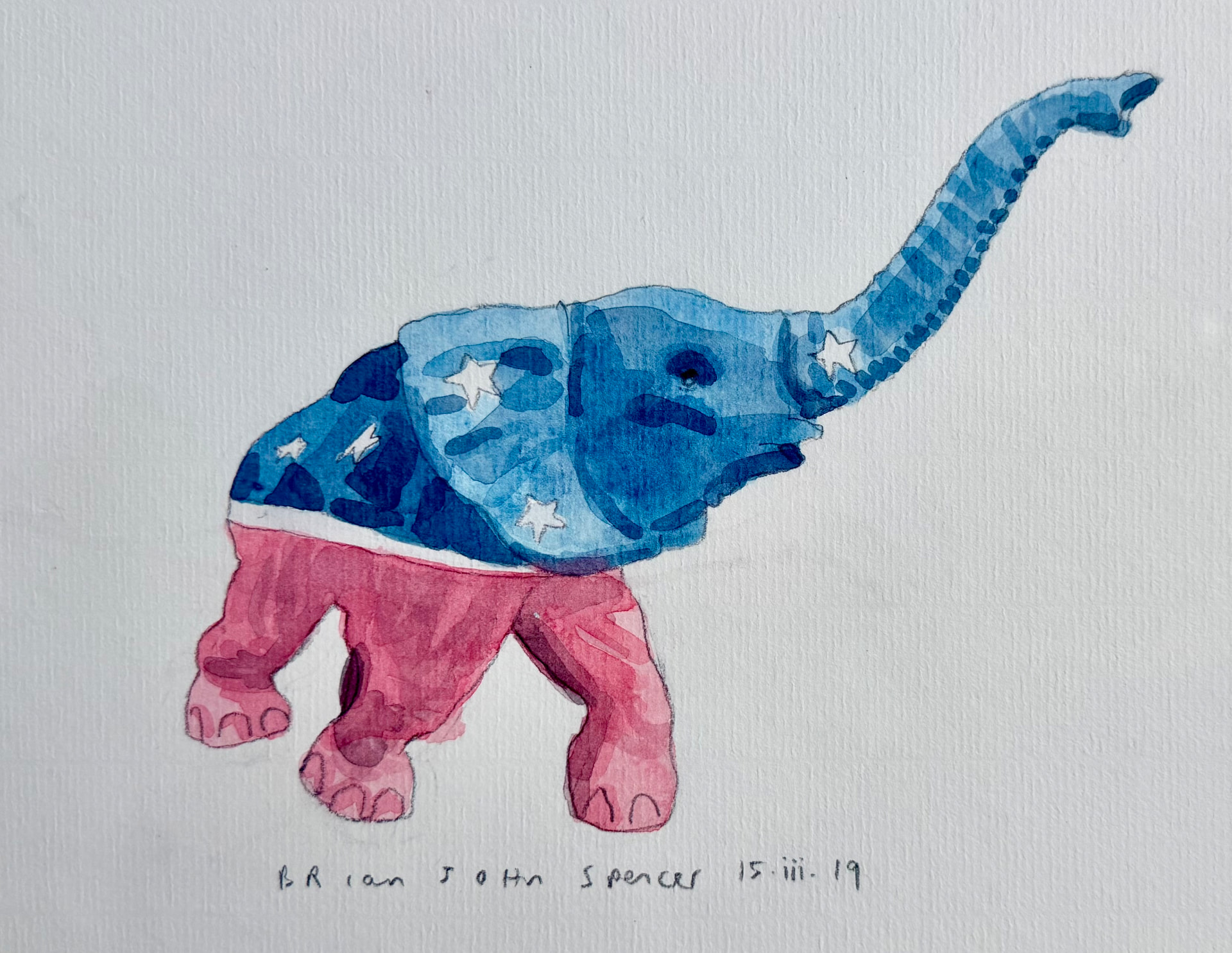
WHY BEGIN WITH THE 47TH ADMINISTRATION?
Because power has a present tense.
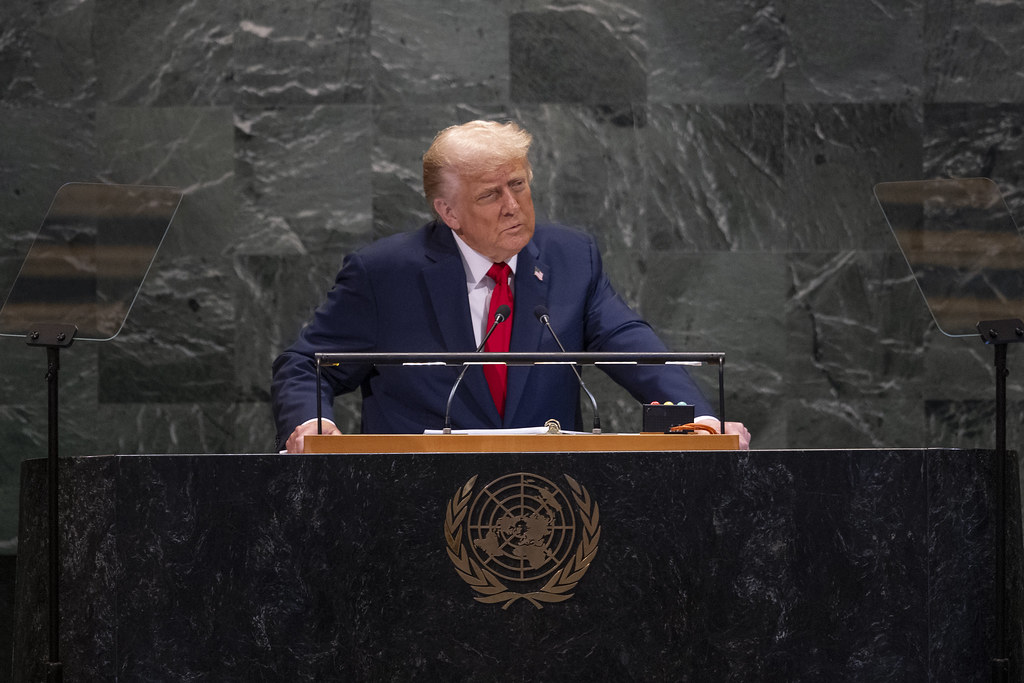
At the publication of our first edition, the 47th Administration occupies the executive branch of the United States. Its decisions are shaping American foreign, economic and security policy and affecting governments, markets and institutions far beyond Washington.
It is therefore the logical place to begin.
But beginning with an Administration should not be confused with identifying with it.
Diplomatique™ works across aisles and oceans. Our purpose is neither to promote those who hold power nor to diminish those who oppose them. It is to understand the architecture around them: who possesses authority, who has access, where influence travels, which relationships matter and how that constellation changes.
The Power Index is therefore not an endorsement, a popularity contest or a league table.
It is a map.
AND THE MAP WILL MOVE
The next significant marker in American political power comes with the November 2026 midterm elections.
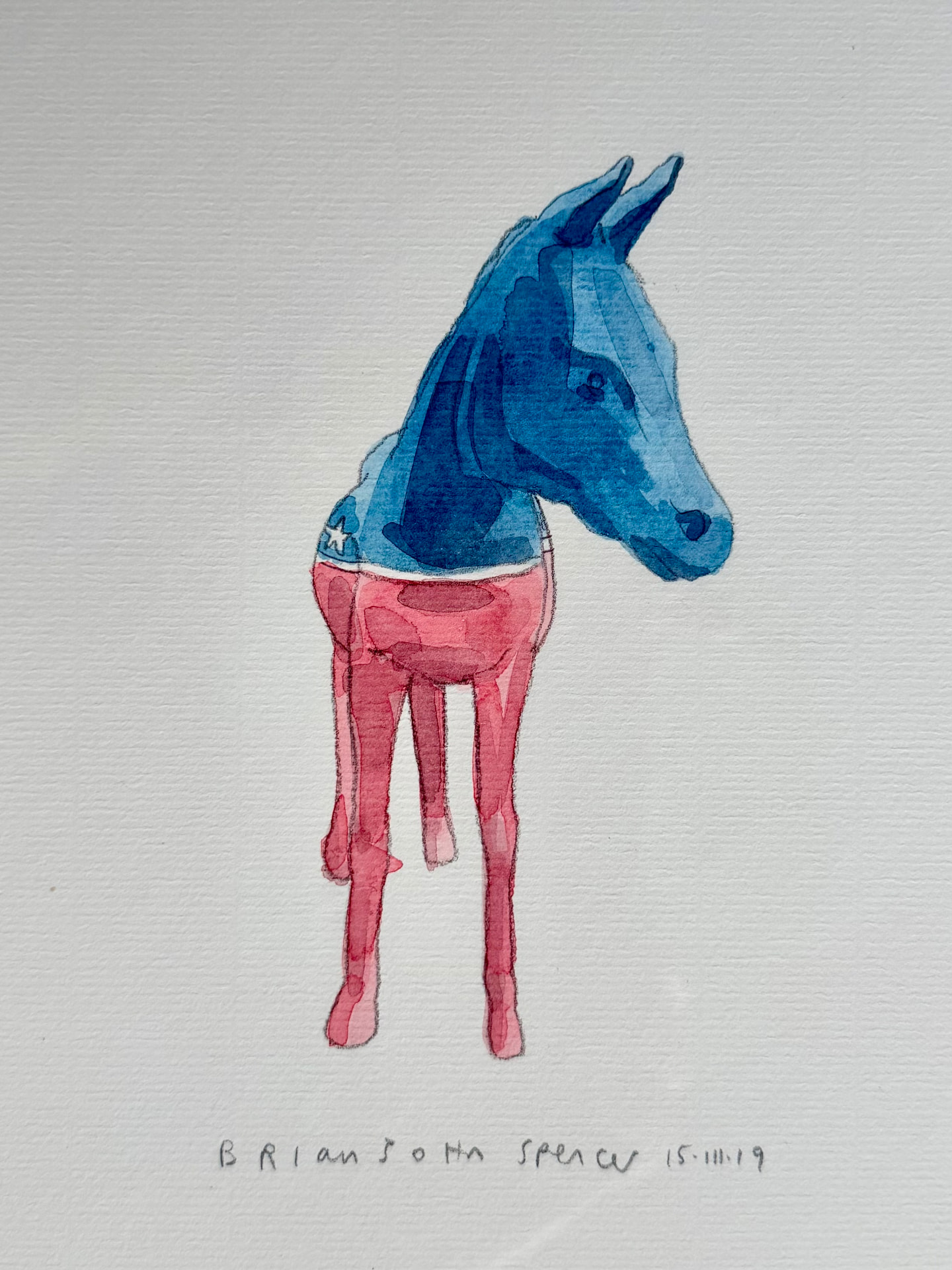
After those elections, Diplomatique™ will begin constructing an Emerging Democratic Power Index.
That examination will extend beyond the formal leadership of the Democratic National Committee. We will look at congressional leadership, governors, political organizations, policy thinkers, strategists, funders and other personalities whose influence helps shape the Democratic Party and the approaching presidential cycle.
The purpose is not to predict who will prevail.
It is to identify and understand the people and networks through which political power is developing.
The same principle will apply elsewhere.
As the Diplomatique™ Power Index develops, we will turn to Britain and Europe; to the kingdoms and emirates of the Middle East; to China and Russia; to Southeast Asia and other consequential centres of power.
Some governments will be allies of the United States. Some will be strategic competitors. Some may properly be described as adversaries.
But Diplomatique™ will approach each with the same question:
Where does power actually reside — and how does it move?
POWER HAS AN EBB AND FLOW
Political dominance is never fixed.
The tide moves from right to left and back again. Governments rise and fall. Coalitions form and fracture. Ministers enter and leave office. Advisers move inside and outside the room. Elections elevate people who were scarcely visible a year earlier.
That movement matters.
So we are building the Power Index as something more ambitious than a recurring feature.
It will become a living map and active archive of power and personalities.
As each new Index is published and existing maps are revised, they will enter the Diplomatique™ subscriber library. Over time, Intelligence subscribers will be able to return to earlier maps and see not simply who holds influence today, but how the architecture of influence changed.
That is where an archive becomes intelligence.
We begin in Washington.







 uintessentially Diplomatique™